Tropical Forest Landscape 3D Shadow Box Review
First Impressions: Translating Papercut Aesthetics to Thread
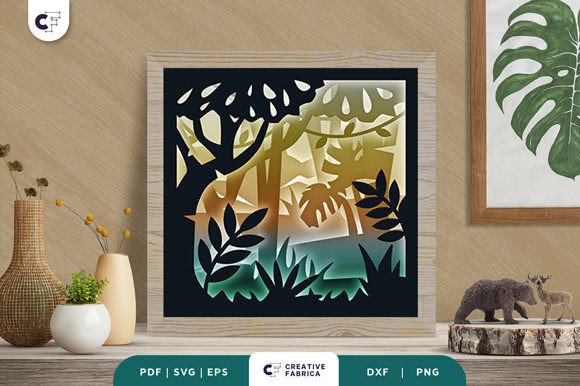
As a designer who constantly bridges the gap between digital assets and tangible textiles, my first reaction to the Tropical Forest Landscape 3D Shadow Box was one of cautious optimism. Categorized under Other and identified as a 3D SVG, this file is originally intended for laser cutting or paper crafting. However, for those of us in the embroidery space, it represents a fascinating challenge: translating the intricate, layered depth of a papercut forest into a cohesive machine embroidery design. The mood is undeniably lush and immersive, evoking a sense of dense vegetation and natural serenity that is highly sought after in current market trends.
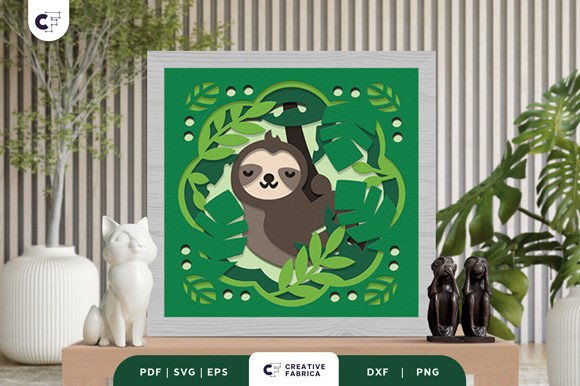
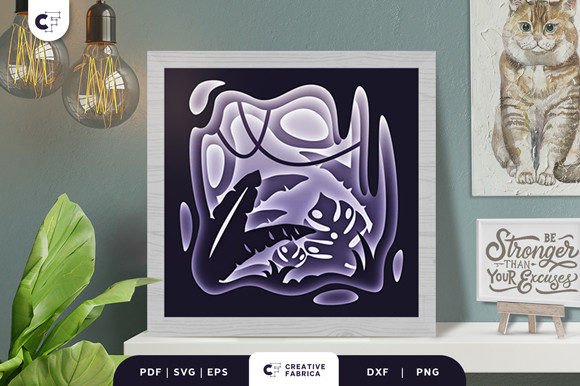
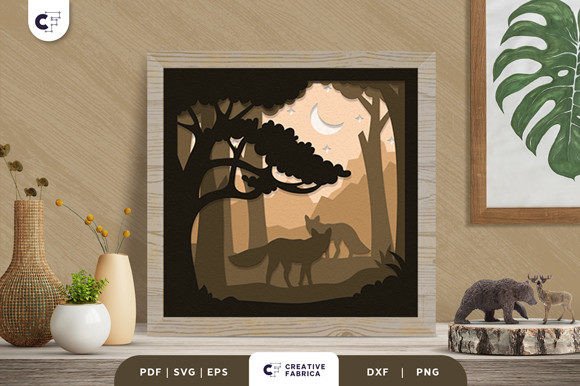
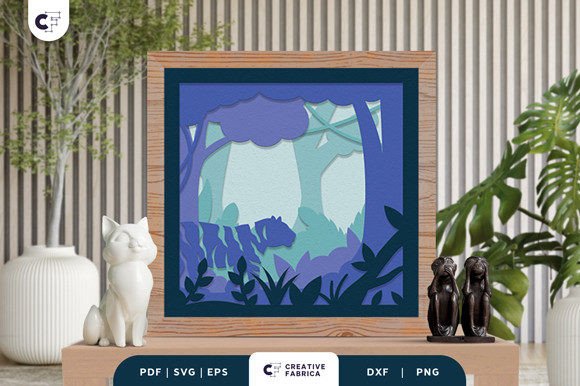
Visually, the layout suggests a high level of detail typical of plantation and forest themes. For an embroidery digitizer or a crafter looking to adapt this asset, the immediate question is not just about beauty, but about structural integrity. Unlike a standard embroidery file created specifically for needle and thread, a 3D shadow box SVG relies on physical layering. To make this work for custom apparel or home decor, we must mentally convert those visual layers into stitch types. The intricate lines that define the foliage in the vector format will likely need to be interpreted as either delicate running stitch outlines or converted into fill stitch areas to maintain stability on fabric. This design demands a thoughtful approach to digitizing, ensuring the "shadow" effect is achieved through thread contrast and texture rather than physical paper spacers.
Real-World Application: Stitching a Botanical Tote Bag
To truly evaluate the commercial viability of the Tropical Forest Landscape 3D Shadow Box, I envisioned a specific project: a premium canvas tote bag design for a boutique eco-friendly brand. Tote bags are a staple for any Etsy seller or craft business, but they often suffer from generic, flat aesthetics. This forest landscape offers the potential for a standout handmade product that feels more like wearable art than simple merchandise.
In this scenario, adapting the SVG requires careful planning. Canvas is a sturdy substrate, which is forgiving for complex designs, but the density of a tropical forest scene can become bulletproof if not managed correctly. If I were preparing this for production, I would treat the foreground elements as potential applique design opportunities to reduce stitch count while adding actual tactile depth, mimicking the original 3D intent. The background plantation details could remain as tonal embroidery. This hybrid approach preserves the intricate beauty of the source file while making the finished product functional and washable. For a client seeking a unique personalized gift or a nature-themed holiday embroidery piece, this adaptation strategy transforms a digital papercut file into a high-value textile asset that justifies a higher price point.
Navigating Fabric Constraints and Technical Limits
While the aesthetic appeal is strong, practical application requires navigating significant technical hurdles. The Tropical Forest Landscape 3D Shadow Box is inherently detailed, which makes it unforgiving on certain substrates. I would advise extreme caution when attempting this design on stretchy knits or lightweight performance fabrics. The complexity of a forest landscape usually translates to higher stitch density, which can cause puckering or distortion on unstable materials. Even with excellent stabilizer usage, the tension required to render intricate fronds and shadows may overwhelm thin fabrics.
Furthermore, consider your hoop size limitations. Shadow box designs are typically composed to be viewed as a complete window. Cropping this design to fit a smaller hoop risks losing the narrative of the landscape, resulting in a confusing cluster of leaves rather than a scenic vista. Dark fabrics also present a challenge; the subtle shading that gives a 3D SVG its depth often relies on light-on-light or medium-on-medium contrasts. On black or navy fabric, these nuances disappear unless you drastically alter the thread colors to create artificial highlights. Always test on scrap fabric that matches your final project’s weight and weave before committing to a full run. This step is non-negotiable for maintaining professional standards in commercial embroidery.
Elevating Brand Value Through Thoughtful Adaptation
Using a specialized asset like the Tropical Forest Landscape 3D Shadow Box signals to customers that your brand invests in unique design assets rather than stock clipart. When executed well, this level of detail enhances buyer engagement and trust. Customers can distinguish between a rushed digitization and a carefully curated embroidery project. The organic complexity of a tropical forest resonates emotionally, making it ideal for baby embroidery (nursery themes), wedding gifts, or wellness branding. It moves beyond generic floral motifs into something that feels collected and intentional.
For digital product sellers offering adapted versions of this file, providing a printable mockup showing the design on various textures is crucial. Buyers need to visualize how a papercut-style SVG translates to thread. Demonstrating the design on a textured linen pillow versus a smooth cotton sweatshirt embroidery placement helps manage expectations. This transparency builds authority. Whether you are creating an embroidered patch for outdoor gear or a delicate accent for kitchen linens, respecting the source material’s complexity while adapting it for textile realities ensures your small shop product stands out in a saturated market.
Essential Designer Notes for Successful Execution
Before loading the Tropical Forest Landscape 3D Shadow Box into your software or machine, adhere to these professional checkpoints to ensure quality and compliance:
- Verify Licensing Terms: Since this is categorized as a 3D SVG/Other, confirm explicitly whether the license permits derivative digital embroidery file sales or only physical finished product sales. Never assume commercial rights extend across different mediums.
- Test Stitch Density: Run a simulation to check for excessive jumps or dense clusters. Forest landscapes can easily exceed safe stitch limits for garment wearability. Edit fill stitches to lighter patterns where possible.
- Contrast Check: View the design in grayscale or black and white mockups before stitching. If the layers blend together without color, they will blend together in thread. Adjust values to ensure readability.
- Stabilizer Strategy: Match stabilizer weight to the design’s density, not just the fabric. Complex landscapes often require cut-away stabilizer even on stable fabrics to prevent registration shifts between layers.
- Detail Inspection: Zoom in to identify tiny elements that may not stitch out cleanly. Simplify or remove details smaller than 1mm to prevent needle breaks or thread bunching.
- Mockup Diversity: Create previews on both light and dark backgrounds. Show potential buyers how thread colors should be adjusted for different fabric bases to maintain the 3D illusion.
- Wash Testing: If selling custom apparel or items requiring frequent laundering, wash-test your sample. Intricate landscapes can trap water or degrade if satin stitches are too long or unsupported.
The Tropical Forest Landscape 3D Shadow Box is a beautiful, ambitious starting point for makers willing to bridge the gap between digital art and textile craft. By approaching it with technical respect and creative adaptation, you can transform this intricate SVG into a signature element of your embroidery portfolio that delights customers and elevates your handmade business.