Tiger in the Forest 3D SVG: Other Brand Asset Review
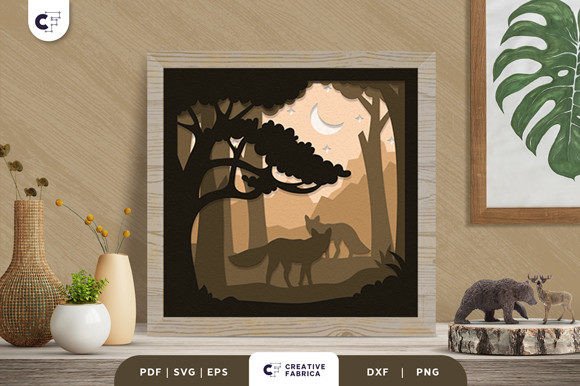
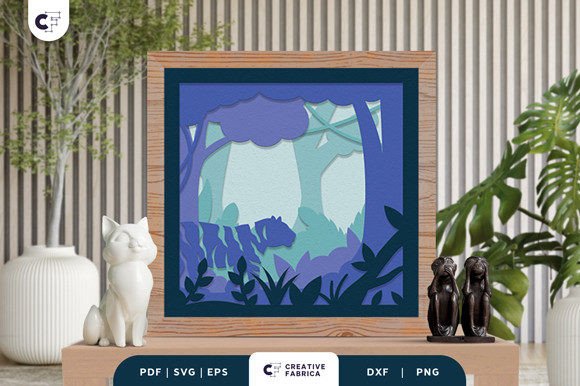
As a brand designer specializing in local business identity, I approach every new graphic design asset with a critical eye toward commercial viability. When evaluating the Tiger in the Forest 3D Shadow Box for a recent rebranding project, my primary focus was not just on its aesthetic appeal, but on its functional application for physical packaging and digital marketing. This nature-themed paper-cut template offers a distinct visual texture that immediately suggests an organic, handcrafted, and immersive brand personality. Unlike flat vector illustrations, this 3D SVG creates depth through layered silhouettes, evoking a sense of mystery and premium craftsmanship that is often difficult to achieve in standard commercial design.
The mood established by this asset is decidedly rustic yet sophisticated. It does not feel cartoonish or juvenile; rather, it carries a weight and elegance suitable for boutique retail, artisanal food products, or wellness brands. For a local business owner, this distinction is vital. The design implies a narrative of wildness tamed into beauty, making it an excellent candidate for businesses that want to communicate natural ingredients, ethical sourcing, or handmade quality without resorting to generic leaf icons or minimalist line art.
Elevating Artisan Packaging and Product Labels
In a recent consultation for a small-batch skincare line, we needed a hero graphic that could transition seamlessly from a product label to a shipping box. The Tiger in the Forest 3D Shadow Box proved exceptionally versatile in this context. Because the design relies on negative space and layering rather than solid blocks of color, it maintains legibility even when scaled down for 2oz amber bottles or soap belly bands. This is a crucial consideration for packaging design where real estate is limited.
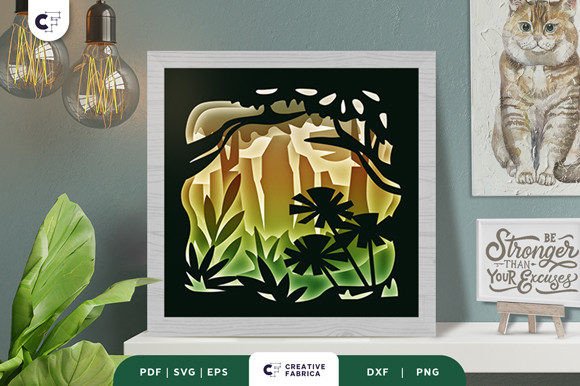
For handmade sellers and food businesses, this asset serves as more than mere decoration; it acts as a visual anchor for brand identity. When applied to hang tags for clothing boutiques or thank-you cards for e-commerce orders, the intricate paper-cut style reinforces the perception of human touch and attention to detail. Customers associate complex, layered visuals with higher value, which can justify premium pricing strategies for local artisans. However, designers must be mindful of contrast. On a dark forest green background, the tiger’s silhouette pops beautifully, creating a luxurious feel. On white or cream stock, it reads as clean and modern editorial design. Testing this asset against your specific brand palette is non-negotiable before committing to print.
Digital Versatility for Social Media Graphics and Web Design
Modern small business branding requires assets that perform across both physical and digital touchpoints. While categorized under Other in some marketplaces due to its unique dimensional nature, this file functions brilliantly as a core element in social media graphics and website banners. For a coffee shop or tea house using this motif, the shadow box effect translates well to Instagram carousels or Pinterest pins, where depth stops the scroll more effectively than flat imagery.
I have found this particular 3D SVG invaluable for creating consistent marketing visuals during seasonal campaigns. For example, an autumn product launch can utilize the forest layers as a framing device for promotional text or product photography. Because it is a vector-based digital product, it remains crisp at any resolution, ensuring your web design looks professional on retina displays while remaining lightweight enough for fast loading times. This technical flexibility makes it superior to rasterized clipart for entrepreneurs managing their own Canva templates or custom website themes.
Strategic Placement and Visual Hierarchy Considerations
Despite its beauty, the Tiger in the Forest 3D Shadow Box demands strategic placement. As with any ornate illustration, there is a risk of visual competition. In my professional assessment, this asset works best as a hero graphic or a border element, but it should be used cautiously in areas requiring high information density. Avoid placing detailed typography directly over the central tiger figure or the densest parts of the forest layers. Doing so destroys the visual hierarchy and compromises readability, particularly on ingredient-heavy layouts or legal compliance areas of product packaging.
This design is also less suitable for ultra-minimalist luxury brands that rely on vast whitespace and sans-serif typography. The inherent complexity of the paper-cut style leans toward romantic, bohemian, or heritage aesthetics. If your brand voice is clinical, corporate, or starkly modern, this asset may create cognitive dissonance for your audience. Always evaluate whether the emotional tone of the illustration aligns with your customer trust goals. For a children’s book brand or a fantasy-themed bakery, it is perfect; for a medical spa or financial consultancy, it likely misses the mark.
Technical Pre-Press Checks for Commercial Design
Before integrating this asset into a paid advertising campaign or mass-produced packaging run, rigorous technical testing is required. As a brand designer, I recommend the following pre-flight checklist to ensure professional results:
- Vector Editability: Confirm that the 3D SVG layers are separated and editable. You may need to adjust the spacing between forest layers to accommodate specific text or logo placement.
- Monochrome Testing: Print the design in solid black and white. If the tiger loses definition without color gradients or shadows, it may not work for single-color stamp printing on kraft paper bags or cardboard mailers.
- Typography Pairing: Test the asset beside various font styles. It pairs exceptionally well with textured serif fonts and organic handwritten scripts but can clash with geometric sans-serifs. Ensure the combination supports your overall brand identity.
- Scale Stress Test: Reduce the design to 1 inch wide. If the intricate cuts merge into a blob, establish a minimum size restriction for your brand guidelines to prevent poor reproduction on small stickers or jewelry tags.
- Licensing Verification: Always review the commercial license terms. Ensure you have the rights to use the asset on physical products for sale, not just for personal digital projects. This protects your business from future legal complications.
Building Emotional Connection Through Narrative Design
Ultimately, the value of the Tiger in the Forest 3D Shadow Box lies in its storytelling potential. In a saturated market, local businesses cannot compete solely on price; they must compete on connection. This asset provides an immediate entry point for that emotional engagement. It transforms a simple product mockup into a scene, inviting the customer to step into the world your brand has created.
Whether used as a subtle watermark on stationery or a bold centerpiece on a gift box, this design asset bridges the gap between digital convenience and tactile nostalgia. For creative entrepreneurs, marketers, and packaging designers, it represents a cost-effective way to achieve bespoke, high-end visual branding. By respecting its technical limitations and leveraging its atmospheric strengths, small business owners can utilize this 3D SVG to build a memorable, cohesive, and professionally presented brand that resonates deeply with their target audience. The key is intentionality; treat this not as a generic filler image, but as a foundational element of your visual language that speaks to the wild, beautiful heart of your craft.