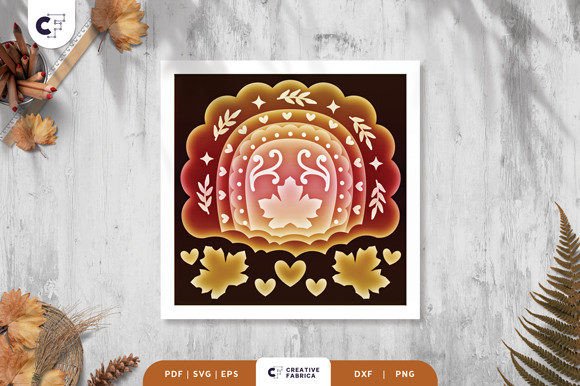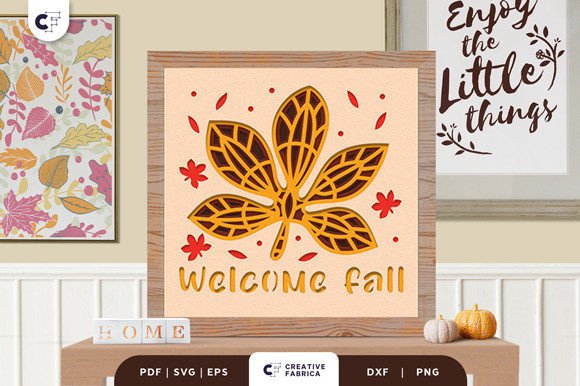
Chestnut Mandala 3D Paper Cut Review
As a designer who constantly bridges the gap between digital assets and tangible textiles, I approach every new file with a healthy dose of skepticism. When I first opened the Chestnut Mandala 3D Paper Cut, my immediate thought was about translation. This asset is originally conceived as a 3D SVG for light boxes, celebrating the layered beauty of Fall. However, for those of us in the embroidery and maker space, the question is always: how does this intricate, shadow-play aesthetic translate into thread? After reviewing the geometry and visual weight of this design, I see immense potential for specific applications, provided we respect the structural differences between paper cutting and needlework.
Translating Layered Paper Aesthetics to Thread
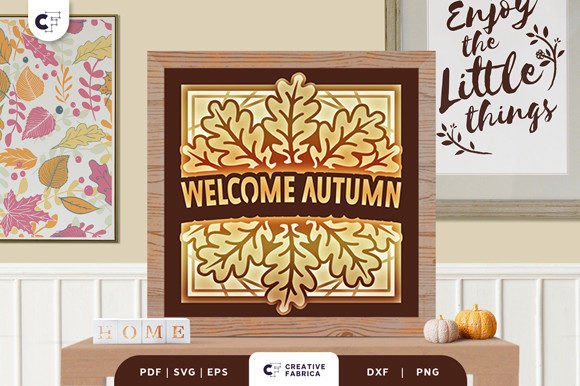
The visual personality of the Chestnut Mandala 3D Paper Cut is defined by depth and organic symmetry. Unlike standard flat embroidery files, this design mimics the stacked nature of paper art. For an embroidery project, this means we are looking at a motif that relies heavily on negative space and contrast rather than solid coverage. The chestnut theme brings a rustic, grounded mood that feels perfect for autumn collections, but the mandala structure offers year-round versatility if colored correctly.
In my assessment, this design shines brightest when treated as an applique design or a multi-layer stitch composition. If you attempt to recreate the "3D" effect using only fill stitch on a single layer of fabric, you risk creating a dense, bulletproof patch that distorts lightweight garments. Instead, I recommend interpreting the paper-cut layers through varying thread colors and textures. Using a matte thread for the base layers and a high-sheen rayon or polyester for the top chestnut details can mimic the shadow and highlight effects inherent in the original 3D SVG concept without adding excessive stitch density.
Real-World Application: The Autumn Tote Bag Test
To truly evaluate this machine embroidery design, I mentally prototyped it for a client request: a premium canvas tote bag intended as a personalized gift for a fall harvest festival vendor. Canvas is an ideal substrate because its sturdy weave supports complex designs without puckering, and its natural texture complements the organic chestnut motif.
For this specific embroidered patch application, the Chestnut Mandala 3D Paper Cut serves as a central focal point. Because tote bags are functional items, durability is key. I would avoid tiny running stitch details that might snag on keys or groceries. Instead, scaling the design up allows for cleaner satin stitch borders and more robust fill areas. The result is a handmade product that feels boutique-quality rather than craft-fair generic. Customers respond to this level of intentionality; they can tell when a design has been adapted for its medium rather than simply stamped onto fabric. This specific use case also highlights the design’s strength as a commercial embroidery asset for Etsy sellers focusing on seasonal, eco-conscious accessories.
Navigating Fabric Limitations and Hoop Constraints
While the design is stunning, it demands respect regarding placement and material choice. Not every garment can handle the visual or physical weight of a detailed mandala. Here are my practical cautions based on years of production experience:
- Stretchy Knits and Baby Clothes: Be extremely cautious when applying this to stretchy fabrics like jersey or interlock. The geometric precision of a mandala will warp instantly if the fabric shifts during stitching. If you must use it for baby embroidery, utilize a heavy-duty cut-away stabilizer and consider reducing the design size to minimize tension.
- Curved Surfaces: Avoid placing this design on caps or curved sleeves. The radial symmetry of the Chestnut Mandala 3D Paper Cut requires a flat plane to maintain its optical illusion of depth. On a curved surface, the perspective collapses, and the design looks distorted.
- Dark Fabrics: Since this is inspired by paper cuts, it likely relies on light passing through layers. On dark fabric, you lose that internal luminosity. You will need to adjust your thread colors significantly, perhaps using lighter underlay stitches or metallic accents to ensure the chestnut shapes pop against navy or charcoal backgrounds.
- Small Hoop Sizes: Do not force this design into a 4x4 hoop if the detail is fine. Shrinking a complex 3D-style vector down to three inches often results in thread breaks and muddy details. Always verify the minimum recommended hoop size before purchasing the digital embroidery file.
Commercial Viability for Makers and Sellers
For small shop product lines and creative entrepreneurs, this design offers strong branding potential. The intersection of "Fall" and "Mandala" hits two high-volume search niches simultaneously. However, value comes from execution. A sweatshirt embroidery featuring this design should feel like wearable art, not just a logo. I suggest pairing the Chestnut Mandala 3D Paper Cut with minimalist typography if text is needed, allowing the intricate imagery to breathe.
When creating printable mockups for your listings, ensure you represent the texture accurately. Buyers need to understand that while the source is a 3D SVG, the finished product is textile-based. Clear communication builds customer trust and reduces returns. Furthermore, always confirm your licensing. Just because a file is sold as a digital asset does not automatically grant unlimited commercial rights for finished products. Protecting your business means verifying these terms before listing any custom apparel or holiday embroidery items.
Essential Pre-Stitch Designer Checklist
Before you commit this design to a final product, run through this professional validation process. It saves time, thread, and frustration:
- Test on Scrap Fabric First: Never stitch directly onto a sellable item without a trial run. Use a scrap of the exact same fabric and stabilizer combination you plan to use for the final piece.
- Audit Stitch Density: Open the embroidery file in your editing software. Check for areas where multiple layers overlap excessively. Manually reduce density in those spots to prevent needle breaks and fabric distortion.
- Contrast Check: View your thread color selections in grayscale. If the chestnut shapes blend into the background in black and white, they will lack definition in real life. Adjust values until the hierarchy is clear.
- Stabilizer Verification: Match your stabilizer to the fabric weight, not just the design size. A tear-away might suffice for canvas, but a no-show mesh or fusible poly-mesh is mandatory for knits to maintain the mandala's shape after washing.
- Mockup Reality Check: Create both light and dark background mockups. This helps you decide if you need separate colorways for different garment bases, ensuring consistent brand presentation across your shop.
The Chestnut Mandala 3D Paper Cut is a sophisticated asset that rewards thoughtful adaptation. By treating it as a blueprint for textile art rather than a rigid template, you can create stunning, seasonally relevant pieces that stand out in a crowded marketplace. Whether you are crafting a personalized gift or expanding your commercial embroidery catalog, success lies in respecting the relationship between the digital line and the physical stitch.