Fall Nature Landscape 3D Shadow Box Review
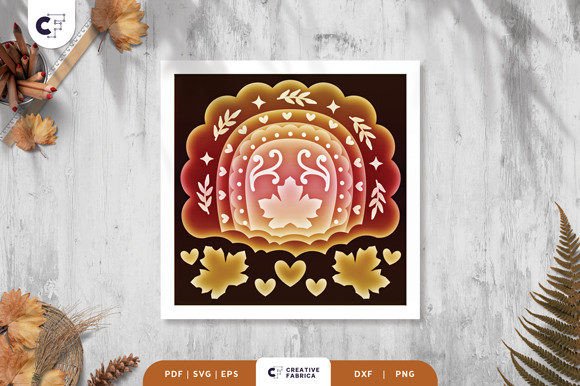
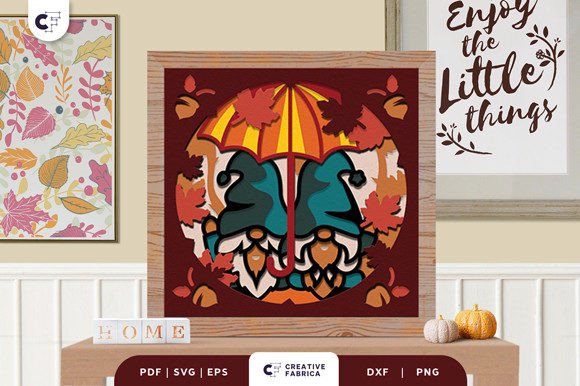
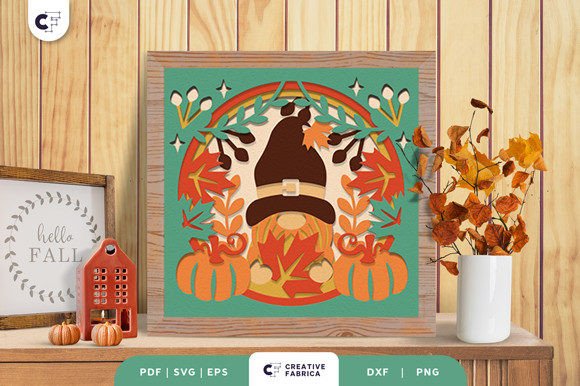
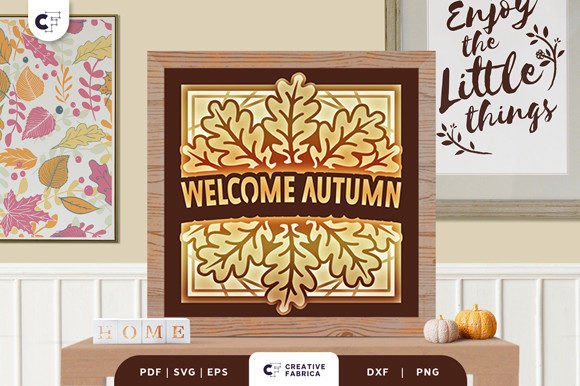
As a designer who constantly bridges the gap between digital assets and tangible textiles, I approach every new file with a healthy dose of skepticism. When I first opened the Fall Nature Landscape 3D Shadow Box, my immediate reaction was one of appreciation for its structural complexity. This is not merely a flat illustration; it is a layered, square paper cutting template that relies on depth to tell a story. While the product description highlights its use as a 3D SVG for paper crafting, my mind immediately went to how this intricate layering could translate into mixed-media embroidery or serve as a high-value visual asset for my craft business listings.
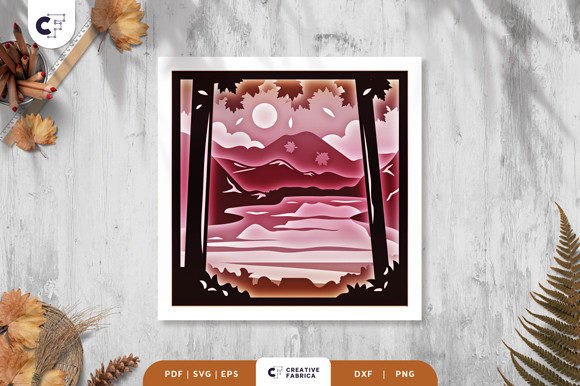
The mood this design creates is undeniably nostalgic yet crisp. It captures the essence of Fall without resorting to cliché clip art. The layout suggests a window into an autumn forest, utilizing negative space and overlapping elements to create dimension. For an embroidery designer or Etsy seller, this visual personality is gold. It feels premium and intentional. However, translating a shadow box concept into needlework requires careful consideration of stitch density and fabric texture. Before listing this as a finished product or incorporating it into custom apparel, we must evaluate how these digital layers perform when subjected to the physical realities of thread and tension.
Translating Digital Layers to Stitched Reality
In a recent client consultation for a boutique holiday collection, I needed a centerpiece design for a series of premium tote bags and nursery decor items. The client wanted something that felt three-dimensional but would remain soft enough for baby embroidery applications. The Fall Nature Landscape 3D Shadow Box served as the perfect conceptual blueprint. Because this is originally a layered template, it naturally lends itself to applique design techniques rather than dense fill stitch areas.
I envisioned using the distinct layers of the SVG as guides for raw-edge applique on a sweatshirt embroidery project. Instead of stitching thousands of fill stitches to create the landscape, I used the vector lines to cut fabric layers that mimicked the paper shadow box effect. This approach maintained the 3D aesthetic while keeping the stitch count manageable and the garment comfortable. For a handmade product aimed at parents, reducing bulk is essential. The design’s square format also makes it ideal for embroidered patch creation or framed hoop art, where the rigid boundaries help contain the complex internal details.
For those selling digital embroidery files or printable mockups, this asset is equally valuable. Even if you do not stitch the design exactly as-is, the clean lines of the 3D SVG provide excellent reference material for creating professional marketing assets. A well-executed mockup using this landscape can significantly boost buyer engagement on Etsy listings before you even thread a needle.
Navigating Fabric Constraints and Hoop Limitations
While the aesthetic is versatile, the technical execution of the Fall Nature Landscape 3D Shadow Box demands respect for material limitations. The intricate layering that makes this design beautiful in paper can become a liability on certain textiles. If you are planning to adapt this for commercial embroidery on performance wear or thin knits, proceed with caution. The multiple layers required to achieve the shadow box look can cause puckering on stretchy fabrics unless you use aggressive stabilizer and potentially a water-soluble topping.
Small hoop sizes present another challenge. The beauty of this landscape lies in its separation of foreground, mid-ground, and background elements. Compressing these layers into a 4x4 hoop often results in lost detail and muddy registration. I strongly advise testing this design at larger scales where the running stitch outlines and satin stitch borders have room to breathe. On textured fabrics like linen or burlap, which are popular for Fall projects, the fine details of the inner landscape layers may get swallowed by the weave. In these cases, simplifying the design or using a heavier weight thread is necessary to maintain clarity.
Dark fabrics also require strategic planning. A shadow box relies on contrast to create depth. If you stitch this on navy or black fabric without adjusting your thread colors or adding a light base layer, the 3D effect will vanish. Always test your color palette on scrap fabric first. What looks vibrant on a screen may lack the necessary tonal variation when rendered in thread against a dark background.
Elevating Product Value Through Intentional Design
Using a sophisticated asset like the Fall Nature Landscape 3D Shadow Box signals professionalism to your customers. In a market saturated with generic pumpkin vectors, offering a product rooted in architectural depth and natural layering builds trust. It shows that you, as a maker or small shop product creator, care about composition and narrative. This level of intentionality justifies higher price points for custom apparel and personalized gifts.
However, value is also defined by durability. If you are adapting this for items that require frequent washing, such as kitchen towels or baby clothes, ensure that any applique edges are securely anchored. The original SVG lines are designed for paper cutting, which means they may lack the built-in underlay or tack-down stitches found in dedicated machine embroidery designs. You may need to digitize additional securing stitches to prevent fraying over time. Never assume a vector line translates directly to a durable stitch path without verification.
Furthermore, consider the licensing and commercial rights associated with this asset. Before selling finished products or modified digital embroidery files, confirm that your usage aligns with the creator's terms. Ethical business practices protect both your reputation and the original designer's work. Transparency about your process and respect for intellectual property are just as important as stitch quality in building a sustainable craft business.
Practical Notes for the Embroidery Studio
To get the best results from this Fall nature theme, keep these practical checkpoints in mind during your production workflow:
- Verify Compatibility: Since the provided formats are SVG and PDF, ensure you have the software necessary to convert these vectors into a machine-readable embroidery file before starting.
- Test Contrast: Create a black and white version of the design in your software to check if the layers remain distinct without relying solely on color differences.
- Stabilizer Selection: Use a cut-away stabilizer for stretchy garments to support the multi-layer structure; tear-away may not provide enough stability for the shadow box effect.
- Mockup Strategy: Utilize the clean vector lines to create realistic printable mockups for your online store, showing customers the potential 3D effect before production.
- Detail Inspection: Zoom in to 100% to identify any gaps between layers that might be acceptable in paper but would look like errors in stitching.
- Thread Weight: Consider using a lighter weight thread (like 60wt) for the innermost details to reduce bulk and preserve the delicate nature of the landscape.
The Fall Nature Landscape 3D Shadow Box is more than just a seasonal decoration; it is a study in depth and form that challenges us to think beyond flat stitching. Whether you are creating a bespoke tote bag design, refining your Etsy shop’s autumn collection, or simply exploring new techniques in your home studio, this template offers a rich foundation for creativity. By respecting the technical requirements of embroidery and leveraging the design's inherent structural beauty, you can transform a digital file into a tangible piece of art that resonates with the warmth and complexity of the season.