Tropical Beach 3D Shadow Box: An Embroidery Review
As a professional designer who bridges the gap between digital assets and tangible textiles, I often encounter files that are marketed for one purpose but hold hidden potential for another. The Tropical Beach 3D Shadow Box is primarily listed as a layered paper-cutting template and 3D SVG for shadow box displays. However, when evaluating this design for real-world application, I see immediate opportunities for adaptation into machine embroidery. For Etsy sellers, craft business owners, and apparel decorators, understanding how to translate a paper-art aesthetic into stitch is crucial for creating unique inventory. This review evaluates the Tropical Beach 3D Shadow Box not just as a digital file, but as a candidate for custom apparel, personalized gifts, and boutique merchandise.
Translating Paper Layers to Stitch Density
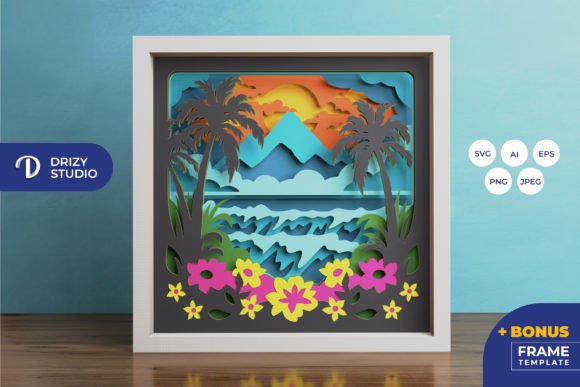
My first impression of the Tropical Beach 3D Shadow Box is its distinct sense of depth. As a paper-cutting template, it relies on physical spacing between cardstock layers to create dimension. In embroidery, we cannot rely on air gaps; we must simulate this depth through stitch density and thread color contrast. The layout suggests a scenic composition with foreground elements like palm fronds or rocks framing a central beach view. For an embroidery project, this layered structure is actually beneficial. It naturally separates into applique design zones or distinct fill stitch areas, preventing the muddy look that plagues poorly digitized landscapes.
The mood is undeniably relaxing, evoking vacation vibes and summer nostalgia. Visually, it feels organic rather than geometric, which makes it forgiving on fabric. Unlike rigid architectural designs where a single misaligned satin stitch ruins the illusion, the natural textures of a tropical beach scene allow for slight variances in registration. This personality makes the design feel handmade and artisanal, a key selling point for customers browsing Etsy listings or craft fair booths who value authenticity over mass-produced perfection.
Real-World Application: The Custom Tote Bag Test
To truly judge the viability of this asset, I mentally prototyped it for a specific scenario: a premium canvas tote bag intended for a summer wedding welcome kit. Wedding clients demand high perceived value, and generic clip art won't suffice. Using the Tropical Beach 3D Shadow Box as the base for a tote bag design allows for a sophisticated, multi-textured look that mimics the original 3D intent.
In this application, I would treat the background water and sky as light fill stitches to keep the bag lightweight. The mid-ground elements could be rendered in tonal thread colors to mimic the paper layers, while the foreground tropical foliage would be perfect for a textured stitch or even a fabric applique. This approach transforms a flat embroidery file into a tactile experience. Customers receiving this personalized gift would immediately recognize the effort involved. For a small shop product, this level of detail justifies a higher price point compared to standard single-color logos. It also serves as an excellent portfolio piece; photographing the finished tote bag against natural light highlights the dimensional stitching, creating a printable mockup that drives engagement on social media.
Navigating Fabric Limitations and Hoop Sizes
While the Tropical Beach 3D Shadow Box has strong aesthetic appeal, practical execution requires caution. Because this originates as a square template, you must verify the aspect ratio before committing to a hoop size. Square designs can be tricky on curved surfaces like caps or baby onesies. If you plan to use this for hat embroidery, you will likely need to crop or rearrange the elements to fit a wider, shorter frame without losing the focal point.
Fabric texture plays a massive role here. On smooth cotton or linen, the intricate details of a beach scene will shine. However, on highly textured fabrics like terry cloth towels or fleece blankets, the finer running stitch details meant to simulate paper cuts may get lost. For these items, I recommend simplifying the design or increasing the stitch length. Conversely, on thin or stretchy fabrics like jersey knits for t-shirts, the cumulative stitch density of a multi-layered landscape can cause puckering or fabric distortion. You must use appropriate stabilizer—likely a cutaway for stretch materials and a tear-away for stable woven goods—to maintain the integrity of the image.
Dark fabrics present another challenge. Shadow box designs often rely on white or light backgrounds to provide contrast between layers. If stitching on navy or black apparel, you cannot simply change the thread colors; you may need to add a white underlay or a full-coverage background patch to preserve the visual hierarchy. Always test on scrap fabric first to ensure the thread colors pop against your chosen garment base.
Commercial Viability and Professional Presentation
For creative entrepreneurs and digital product sellers, the value of the Tropical Beach 3D Shadow Box extends beyond a single finished product. It represents a versatile design asset. However, professionalism dictates due diligence. Before listing any embroidered patch, sweatshirt embroidery, or holiday embroidery item for sale, you must confirm the licensing terms. Does the purchase include commercial rights for physical products? Can you sell modified versions? Never assume; always check the specific license provided with the embroidery file.
When marketing finished goods derived from this template, transparency builds trust. If you have adapted a paper-cutting file into embroidery, mention that inspiration in your product description. Buyers appreciate the crossover artistry. Furthermore, ensure your digital embroidery file previews are accurate. Do not use the original paper-render as the sole product photo if you are selling the stitched version. Show actual stitch-outs or realistic digitizing mockups so customers understand exactly what they are purchasing. This reduces returns and increases buyer confidence in your brand consistency.
Essential Designer Notes for Success
If you decide to incorporate the Tropical Beach 3D Shadow Box into your production lineup, keep these practical checkpoints in mind:
- Verify File Compatibility: Since the product description emphasizes SVG and paper formats, ensure you have access to a compatible embroidery format (PES, DST, JEF, etc.) or possess the digitizing skills to convert the vector lines into stitches properly.
- Check Stitch Density: Layered paper designs can become bulletproof when converted directly to satin or dense fill stitches. Edit the density to ensure the final embroidered patch or apparel remains soft and wearable.
- Test Contrast Ratios: View your thread color selection in grayscale before stitching. If the layers blend together in black and white, they will lack definition in color. Adjust values to maintain the 3D shadow effect.
- Evaluate Small Details: Inspect tiny lettering or intricate corners. Elements that work at 8 inches on paper may disappear at 4 inches on fabric. Simplify or enlarge critical details for smaller hoop sizes.
- Stabilizer Selection: Match your stabilizer weight to the total stitch count. A complex nature scene requires more support than a simple outline to prevent tunneling.
- Mockup Testing: Create both light and dark background mockups to see how the design adapts. This helps in planning inventory for diverse customer preferences.
- Licensing Confirmation: Re-read the terms specifically regarding commercial embroidery and digital resale to protect your business legally.
The Tropical Beach 3D Shadow Box offers a refreshing alternative to standard embroidery motifs by introducing architectural depth into textile art. Whether you are crafting a bespoke baby embroidery keepsake, stocking your Etsy shop with summer-ready tote bags, or expanding your commercial embroidery catalog, this design provides a strong foundation. By respecting the technical constraints of fabric and stitch, you can successfully translate the serene, layered beauty of this forest-meets-beach aesthetic into profitable, high-quality handmade products.