Lotus Crystal Shelf Laser SVG: A Maker's Review
As a designer who constantly bridges the gap between digital files and tangible, stitched goods, I approach every new asset with a healthy dose of skepticism. When I first opened the Lotus Crystal Shelf Laser SVG from Zen Designs By B, my immediate thought was not about how pretty it looked on screen, but how it would translate when paired with needle and thread. While this file is categorized as a Paper Flowers 3D SVG intended for laser cutting, experienced makers know that the best embroidery projects often begin with structural designs meant for other mediums. After reviewing the geometry and layering logic, I see immense potential for this design to serve as a foundational template for mixed-media embroidery and custom apparel decoration.
First Impressions: Geometry Meets Thread Logic
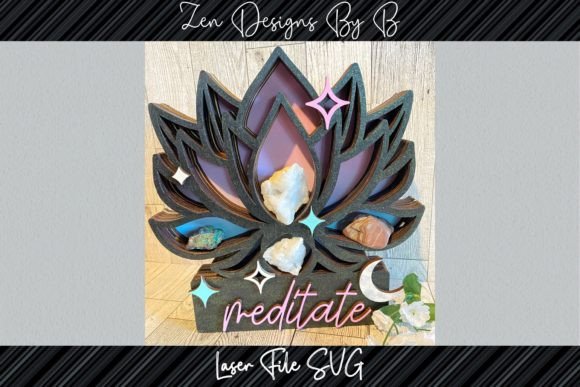
The visual personality of the Lotus Crystal Shelf Laser SVG is distinct. It possesses a mandala-like symmetry that feels meditative yet structured. Unlike organic, freehand floral embroidery files, this design relies on precise geometric repetition. For an embroidery digitizer or a crafter looking to create an applique design, this precision is a double-edged sword. On one hand, the clean lines make it easier to trace and convert into stitch paths. On the other hand, the intricate layering noted in the product description—specifically the use of four layers plus a backer—suggests a depth that standard flat embroidery cannot achieve alone.
When I evaluate this for real-world application, I am struck by its suitability for dimensional textile art. The "shelf" aspect implies structure. If you are planning a sweatshirt embroidery project or a high-end tote bag design, this SVG provides the perfect roadmap for placing fabric layers before stitching. It moves beyond simple surface decoration and invites you to build texture. The mood is serene and boutique-ready, making it ideal for wellness brands, yoga studios, or spiritual gift shops looking for commercial embroidery assets that feel authentic rather than generic.
Real-World Application: The Custom Tote Bag Test
To truly judge the viability of the Lotus Crystal Shelf Laser SVG, I mentally prototyped a project for a client who owns a holistic wellness boutique. She needed a signature handmade product for her holiday lineup: a canvas tote bag featuring a textured lotus motif. Using this SVG as the base, I envisioned a mixed-media approach where the laser-cut paper flower concept is translated into fabric appliqué.
In this scenario, the four-layer structure described in the file becomes a guide for fabric stacking. Instead of paper, I would use varying weights of linen and cotton. The bottom layer acts as the stabilizer anchor, while the subsequent layers create the petal depth. As an embroidery project, this requires converting the vector lines into placement stitches. The result is a personalized gift that has actual physical relief, distinguishing it from the thousands of flat-printed totes on Etsy. Customers react to tactile quality; they want to touch the craftsmanship. By leveraging the architectural integrity of this 3D SVG, the finished embroidered piece communicates value and professionalism that justifies a higher price point.
Navigating Technical Constraints and Fabric Choices
However, translating a laser file into an embroidery file or using it as a direct guide requires caution. Not every fabric can handle the complexity inherent in the Lotus Crystal Shelf Laser SVG. Because the design is layered and detailed, I would advise against using it on stretchy knits or lightweight jersey without significant modification. The tension required to hold multiple layers or dense satin stitches following these geometric paths could distort a t-shirt neckline or baby onesie.
This design shines best on stable, woven fabrics. Think heavy canvas, denim, upholstery-weight linen, or felt. These materials provide the necessary resistance for the stitch density required to define the crystal shelf edges. If you are attempting this on dark fabric, be mindful of contrast. The intricate inner details might get lost if your thread color is too similar to the background. For baby embroidery or delicate items, you may need to simplify the file, removing inner layers to reduce bulk and prevent the fabric from becoming stiff or uncomfortable.
Furthermore, consider the hoop size. A design with this level of radial symmetry demands accurate centering. If your hoop is too small and you must re-hoop to complete the lotus, registration marks become non-negotiable. Misalignment in a geometric pattern is far more glaring than in an organic floral design. Always verify that your machine’s field accommodates the full span of the lotus to maintain the integrity of the shape.
Elevating Brand Value and Customer Trust
For Etsy sellers and small business owners, the Lotus Crystal Shelf Laser SVG represents more than just a pretty picture; it is a tool for brand consistency. In a saturated market, buyers engage with products that look cohesive and intentional. Using a structured, high-quality design asset ensures that your finished product looks professional rather than amateurish. Whether you are creating an embroidered patch for branding or a decorative pillow cover, the crispness of this lotus design signals attention to detail.
This attention to detail directly impacts customer trust. When a buyer sees a printable mockup or a photo of your work derived from this SVG, they recognize the complexity. They understand that this isn't a quick, low-effort print. It validates the "handmade" label. For those selling digital products or offering custom services, showcasing projects based on such versatile assets demonstrates technical competence. It tells potential clients that you understand both design aesthetics and manufacturing realities.
Essential Designer Notes Before You Stitch
Before you commit this design to your final merchandise or personal holiday embroidery, please heed these practical recommendations derived from professional testing workflows:
- Test on Scrap First: Never run a complex, layered design on your final garment without a test sew-out. Use a scrap of the exact fabric and stabilizer combination you intend to use. Check for puckering, gaps, or excessive stiffness.
- Verify Layer Compatibility: The product notes mention using 1/4 material for all layers. If adapting this for embroidery, ensure your fabric weight matches this ratio. Thick quilting cotton stacked five times deep will be unmanageable; opt for voile, batiste, or light linen for upper layers.
- Check Licensing: As this is an instant download from Zen Designs By B, confirm the specific license terms regarding commercial use. Ensure you are permitted to sell physical items made from this design or if it is restricted to personal crafting.
- Thread Color Strategy: Test your thread colors in natural lighting. Digital screens lie. A subtle variegated thread might enhance the crystal effect, or it might make the geometric lines look muddy. Solid threads often render cleaner geometry.
- Mockup Validation: Create black and white mockups to assess value contrast. If the design reads poorly in grayscale, it will likely lack definition in thread. Adjust your digitizing or fabric choices accordingly.
- Stabilizer Selection: Given the potential density and layering, use a high-quality cut-away stabilizer for apparel or a firm tear-away for sturdy crafts. Floating the fabric might be necessary if the layers create uneven thickness.
The Lotus Crystal Shelf Laser SVG is a sophisticated asset that rewards patience and technical skill. It bridges the world of laser precision and textile warmth beautifully. By respecting its structural origins and adapting it thoughtfully for needlework, you can create custom apparel and gifts that stand out for their quality and unique dimensional character. Approach it with the mindset of a builder, not just a stitcher, and your results will reflect that elevated standard.