Humpback Whale 3D SVG: Summer Light Box Review
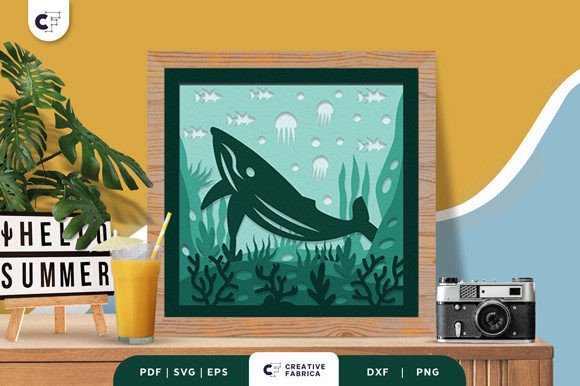
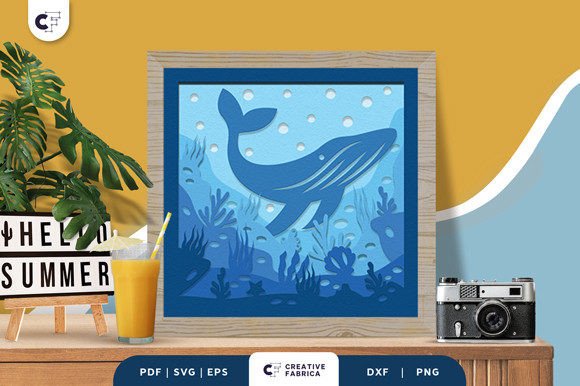
As a graphic designer currently developing a seasonal product line for a boutique coastal lifestyle brand, I am constantly evaluating assets that balance artistic beauty with commercial viability. My current project involves creating a series of illuminated shadow boxes and summer-themed merchandise for a client targeting eco-conscious tourists and marine life enthusiasts. When I first opened the Humpback Whale 3D Light Box SVG file, my immediate assessment focused on its layering logic and emotional resonance. The asset captures the huge humpback whale swimming under the sea with a vividness that translates surprisingly well into vector format. Rather than feeling like a flat cartoon, the soft blue tone soothes the natural habitat, creating a calming ambiance that is essential for high-end nursery decor or relaxation-focused retail products. For designers working in the creative marketplace, this specific graphic design asset offers a strong foundation for layered paper crafts and digital mockups alike.
Evaluating Layer Integrity for Physical Fabrication
When reviewing any 3D SVG for physical production, my primary concern is structural integrity. A beautiful illustration fails if the cut lines are too fragile for cardstock or if the registration marks do not align during assembly. In testing this Humpback Whale 3D Light Box SVG, I found the separation between the foreground water elements, the mid-ground whale silhouette, and the background ocean gradient to be distinct and purposeful. This separation is critical for light box projects where backlighting defines the visual hierarchy. The whale’s pectoral fins and tail fluke have sufficient surface area to prevent tearing during weeding, which is a common pain point in intricate Cricut projects. For small business branding centered around handmade goods, this level of technical consideration reduces material waste and production time. However, designers should note that the intricate bubble details may require a sharp blade and slower cutting speed to maintain crisp edges on heavier paper stocks.
Translating Ocean Moods Across Digital and Print Media
Beyond physical fabrication, I evaluated how this illustration performs as a versatile marketing visual. Modern design requires assets that work across multiple touchpoints. While primarily designed as a light box template, the central whale element functions effectively as standalone clipart when isolated. I tested extracting the main subject for use in social media graphics promoting a summer sale. The soft blue palette pairs exceptionally well with white sans serif typography for clean, editorial design layouts, or with textured script fonts for a more organic, handmade business aesthetic. For print-on-demand sellers, this asset has strong potential for sublimation design on tumblers and tote bags, provided the color profile is converted correctly from RGB to CMYK to preserve those soothing aquatic tones. As a digital product for Etsy sellers, offering both the full layered file and individual PNG design elements increases the perceived value of the listing significantly.
Strategic Placement in Brand Identity and Packaging
Incorporating illustrative elements into brand identity requires restraint. During my concept phase for the coastal client, I used this Humpback Whale 3D Light Box SVG as a hero graphic on packaging design rather than a repetitive pattern. The complexity of the whale demands negative space to breathe. It works best on large layout areas such as shopping bag panels, gift box lids, or website headers where the viewer can appreciate the depth of the 3D effect. Using this asset as a subtle watermark or background texture resulted in visual noise that detracted from readability. Instead, I recommend utilizing it as a focal point in commercial design campaigns. For example, placing the illuminated whale on a dark navy background creates instant contrast and luxury appeal, perfect for premium summer collections. This strategic placement enhances visual trust and signals professionalism to the consumer.
Technical Pre-Flight Checks for Commercial Application
Before committing this asset to a paid client project, I ran through a rigorous quality assurance checklist that every professional designer should adopt. First, always test the SVG design in black and white. If the whale loses definition without color, the underlying shapes need adjustment. Second, verify the commercial license terms explicitly; just because an asset is available on a creative marketplace does not guarantee unlimited reproduction rights for mass manufacturing. Third, check transparency on included PNG files. Some design bundles include flattened backgrounds that make compositing difficult in Canva templates or Photoshop. Fourth, preview the asset at various scales. While it shines at 8x10 inches for printable wall art, scaling it down to a 2-inch sticker design revealed that some internal detailing became muddy. Finally, compare font pairings carefully. The organic curves of the whale clash with rigid geometric typefaces but harmonize beautifully with rounded humanist sans serifs or flowing hand-lettering styles.
Navigating Limitations and Best Use Cases
No single graphic design asset is universally applicable. Through practical application, I identified specific scenarios where this Humpback Whale 3D Light Box SVG excels and where caution is warranted. It is an exceptional choice for themed collections, nursery decor, educational materials about marine biology, and seasonal summer campaigns. The emotional appeal of the gentle giant resonates deeply with audiences seeking connection to nature. Conversely, designers should avoid using this asset in minimalist corporate branding or high-density informational layouts. The inherent detail competes with body text, potentially disrupting visual hierarchy. Additionally, while the soft blue tone is atmospheric, it may not provide sufficient contrast against pastel backgrounds without additional stroke outlines or drop shadows. Understanding these boundaries ensures the final output remains polished and legible.
Enhancing Value Through Creative Adaptation
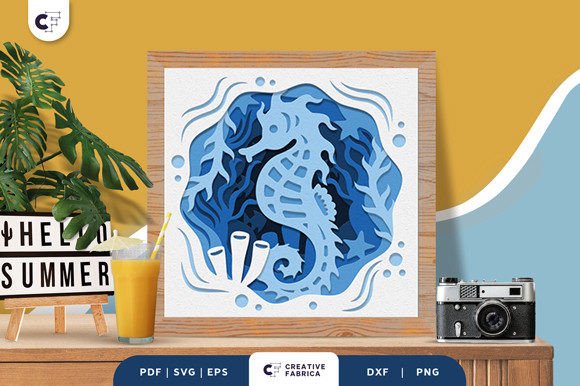
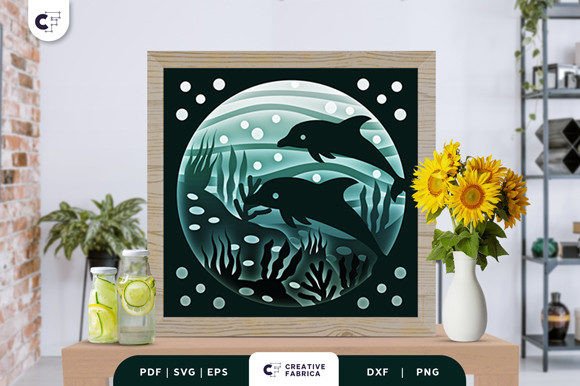
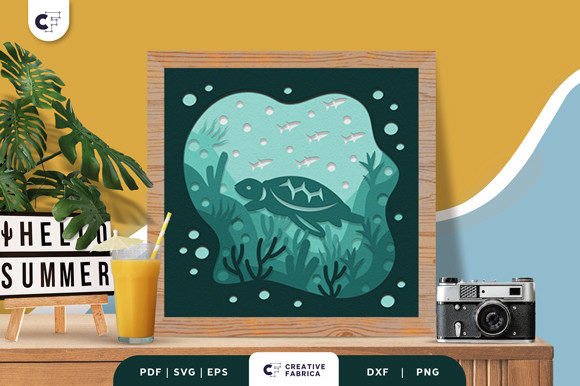
To maximize ROI on this digital asset, I explored adaptation strategies relevant to diverse creator needs. For content creators and bloggers, the layered file serves as an excellent tutorial subject for "how-to" videos on paper crafting, driving engagement through educational value. For web design projects, animating the separate layers via CSS adds a dynamic, immersive quality to landing pages without heavy video file sizes. Print-on-demand sellers can combine this illustration with complementary nautical elements from other design bundles to create cohesive collection narratives. By treating the Humpback Whale 3D Light Box SVG not just as a static image but as a modular component system, designers can extend its utility far beyond the original intent. This approach transforms a single purchase into a comprehensive toolkit for summer-themed creative design, supporting everything from Instagram stories to elaborate physical installations.
Ultimately, my verdict on this asset is positive for professionals who understand its specific niche. It bridges the gap between whimsical craft art and sophisticated commercial illustration effectively. The soothing color grading and thoughtful layer construction demonstrate a respect for the end-user's production process. Whether you are building a brand identity for a seaside boutique, designing educational printables, or crafting bespoke gifts, this 3D SVG provides a reliable and evocative starting point. Just remember to validate technical specifications against your specific output requirements and respect licensing agreements to maintain professional integrity. When applied with intention, this humpback whale becomes more than a decoration; it becomes a storytelling vehicle that connects audiences to the grandeur of ocean life through thoughtful, modern design.