Dragonfly Mini Lantern: A Designer’s Review
When I first opened the file for the Dragonfly Mini Lantern, my immediate thought was not about the stitch count or the hoop size, but about the mood. As an experienced embroidery designer and product reviewer, I have seen countless nature-themed files that feel generic or overly digitized. This design, however, strikes a different chord. It carries a sense of woodland charm and natural elegance that is often difficult to translate into thread. For those of us running a craft business, managing an Etsy shop, or simply creating high-quality personalized gifts, finding a machine embroidery design that balances intricate detail with structural integrity is rare. This review evaluates the Dragonfly Mini Lantern not just as a digital asset, but as a viable component for real-world commercial and personal embroidery projects.
Translating 3D SVG Concepts to Thread
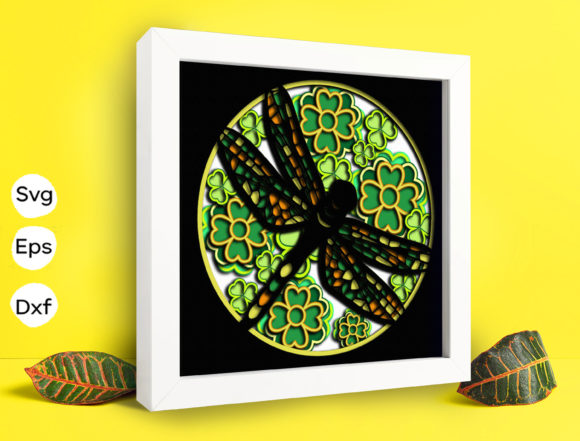
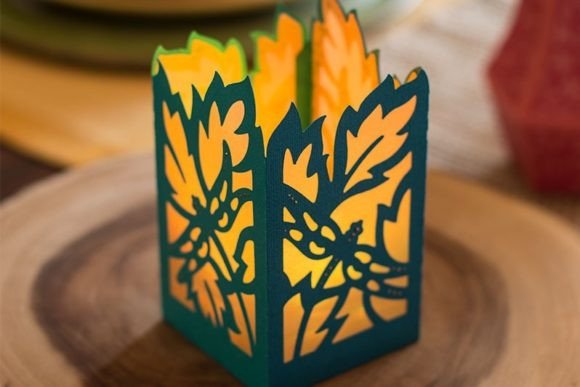
The product description highlights this as a 3D SVG featuring beautifully detailed dragonfly and leaf cutouts. In the world of laser cutting and paper crafts, a 3D SVG implies layers and depth. When we approach this from an embroidery perspective, we must interpret that depth through stitch density and layering techniques. The "lantern" aspect suggests a framed composition, which is excellent for stability in embroidery. Unlike open, sprawling botanical designs that can distort on stretchy fabrics, a lantern motif provides a built-in boundary. This makes the Dragonfly Mini Lantern particularly suitable for structured items like tote bags, aprons, or pillow covers where maintaining the shape is crucial for professional presentation.
For apparel decorators and small shop owners, this framing effect also aids in placement. When stitching on a sweatshirt or baby item, having a distinct perimeter helps ensure the design sits centered and level. The interplay between the dragonfly wings and the leaf cutouts offers natural opportunities for varying stitch types. I envision using a delicate running stitch for the wing veins to mimic transparency, contrasted against a denser satin stitch or fill stitch for the lantern frame and leaves. This variation in texture is what elevates a handmade product above mass-produced alternatives, giving customers that tactile quality they seek in boutique merchandise.
Real-World Application: The Custom Tote Bag Test
To truly evaluate this design, I mentally placed it in a specific production scenario: a custom embroidered tote bag for a summer wedding favor line. Wedding clients demand perfection, and the items need to be photogenic for social media while remaining durable enough for actual use. The Dragonfly Mini Lantern fits this niche perfectly because it bridges the gap between rustic and refined. However, practical application requires foresight. Tote bags are often made of canvas or linen, both of which have significant fabric texture.
In this scenario, I would be cautious about tiny details within the dragonfly’s wings. If the design relies on extremely fine lines, they might get lost in the weave of a heavy canvas. As a designer, I would recommend testing the embroidery file on a scrap of the exact tote material before committing to a bulk order. You may need to slightly increase the stitch density or add an underlay to prevent the stitches from sinking into the textured fabric. Conversely, if you are applying this to a smooth cotton poplin for a baby onesie, the challenge shifts to preventing puckering. Here, the lantern structure is beneficial, but proper stabilizer selection becomes non-negotiable to keep the fabric taut and the dragonfly crisp.
Navigating Fabric Limitations and Hoop Sizes
While the Dragonfly Mini Lantern is versatile, it demands respect for technical constraints. For makers selling on Etsy or at craft fairs, consistency is key to building customer trust. You cannot risk a design looking perfect on a sample but failing on a dark, stretchy knit top. Dark fabrics present a specific challenge for this type of intricate, nature-inspired art. If the dragonfly wings are designed with open spaces or light-colored threads, they may lack contrast against navy or black garments. Before listing this as a custom apparel option, verify how the thread colors interact with your standard garment palette. You might need to create a specific colorway version for dark backgrounds to maintain visual clarity.
Hoop size is another critical factor. Because this is categorized under Freebies and described as a "Mini" lantern, users might assume it is universally compatible with small hoops like 4x4. Always confirm the actual dimensions in the digital embroidery file metadata. A design that is too large for your hoop will require resizing, which can alter stitch density and compromise the delicate balance of the dragonfly wings. If you are working with curved surfaces like caps, the flat geometry of a lantern design can be tricky. The distortion inherent in cap embroidery might warp the straight lines of the lantern frame. In such cases, I would advise using this design primarily for flat embroidery projects unless you have successfully tested a curved adaptation.
Commercial Viability and Brand Consistency
For creative entrepreneurs and digital product sellers, the value of the Dragonfly Mini Lantern extends beyond a single stitched item. It serves as a cohesive branding element. The woodland theme aligns well with eco-friendly shops, nursery decor brands, and cottagecore aesthetics. When used across multiple products—perhaps as an embroidered patch on denim jackets, a centerpiece on tea towels, and a subtle accent on nursery blankets—it creates brand recognition. Buyers begin to associate that specific dragonfly silhouette with your shop’s quality and style.
However, professionalism dictates due diligence. Since this is listed as a freebie, you must rigorously check the licensing terms before incorporating it into commercial embroidery or selling finished products. Some free design assets allow for personal use only, while others permit small-scale sales. Clarifying this protects your business from legal issues and maintains ethical standards in the maker community. Additionally, when creating printable mockups or digital previews for your listings, ensure the representation matches the final stitched reality. Overly polished digital renderings that don't reflect the actual stitch texture can lead to returns and negative reviews. Authenticity sells better than perfection.
Essential Pre-Stitch Checklist for Makers
Before you load the Dragonfly Mini Lantern into your machine for a client project or inventory stock, run through this practical checklist to ensure success:
- Verify Licensing: Confirm whether the freebie license permits commercial sale of finished goods or digital modifications.
- Test Stitch Density: Run a sample on your intended fabric to ensure the dragonfly wings are stable and the lantern frame isn't too rigid or too loose.
- Check Contrast: Evaluate thread colors against both light and dark fabric backgrounds to ensure the detailed cutouts remain visible.
- Stabilizer Match: Select the appropriate stabilizer for your specific substrate; tear-away for stable woven fabrics, cut-away for knits or stretchy materials.
- Dimension Check: Measure the design against your available hoop sizes and the usable print area of your target product.
- Mockup Accuracy: Create realistic previews that show the texture of the embroidery rather than just the vector graphic.
- Wash Testing: If selling baby embroidery or kitchen textiles, wash the test sample to ensure the intricate details hold up without fraying.
The Dragonfly Mini Lantern offers a beautiful intersection of artistic appeal and functional design structure. By approaching it with the critical eye of a professional embroiderer rather than just a hobbyist, you transform a simple freebie into a cornerstone asset for your handmade business. Whether you are crafting a personalized gift for a loved one or building a new collection for your online shop, respecting the technical nuances of this design will ensure the final product radiates the same natural elegance in thread as it does on screen.